
VALUES MODES
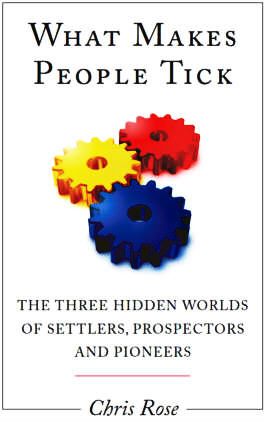
Over the last 30 years, an ongoing body of social survey research has tracked and forcasted the changing values, beliefs and motivations of the British population. Using the responses to over 1000 questions, we have developed a typology that explains the dynamics of personal, market and cultural changes. This typology has been directly tested, analysed and applied in over 20 countries across the world on every continent, except Antarctica(!)
The typology is called Values ModesTM.
The Values Modes categorize people into 12 discrete psychographic types. Each group represents between 7% and 12% of the population aged 15 years and over. The categorization is based on the responses to a short questionnaire (Lickert scales), which can be used in any piece of research and is easy to administer face-to-face, by telephone or on-line.
The 12 Values Modes - the VMs (pronounced "vims") - form a psychographic classification system based on individuals' Values sets. By the term "Values", we mean that nest of beliefs and motivations - largely subconscious - that underpin our attitudes to everything we encounter.
The VMs help answer the question of WHY people do the things and make the choices that they do.
This is a valuable understanding in itself but Cultural Dynamics takes this to a new level through its understanding of the dynamics of change that operate through the VMs. These changes, which occur at the level of the individual, aggregate in the population over time to form significant changes in organizational and societal (cultural) values. More